Scope
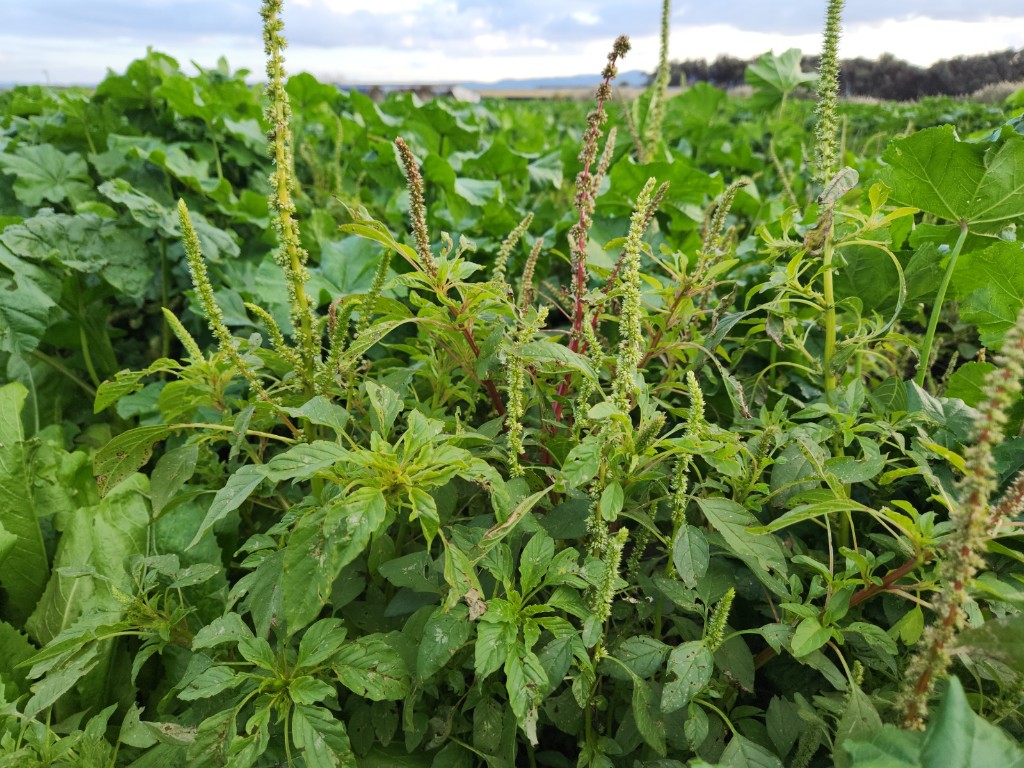
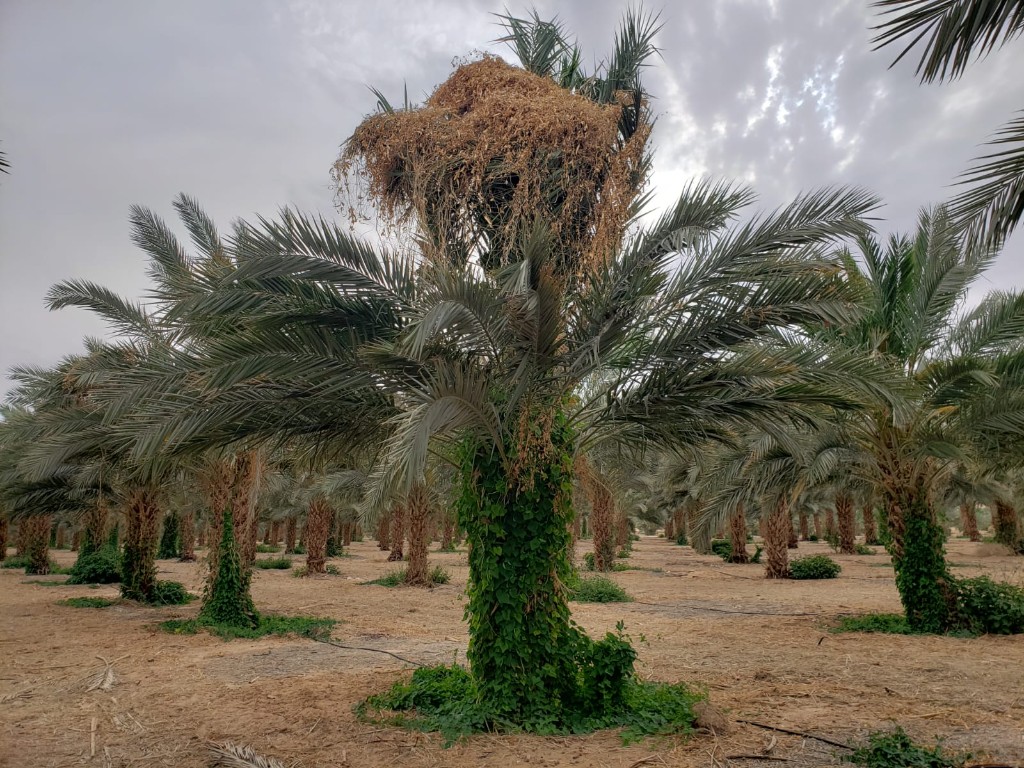
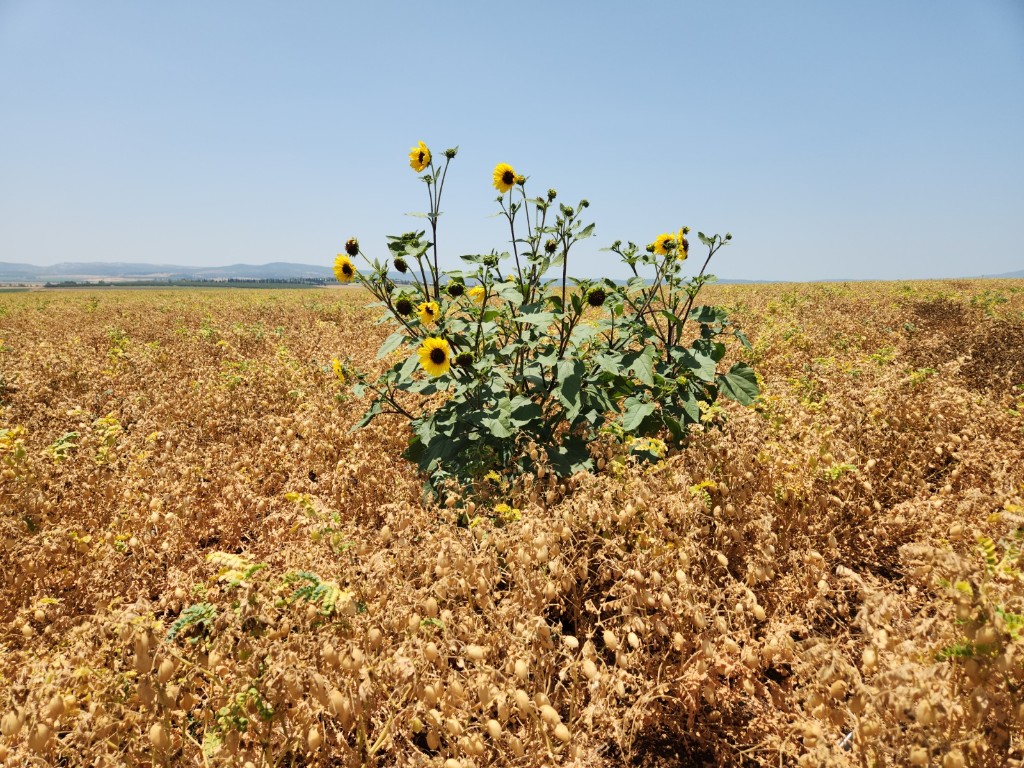
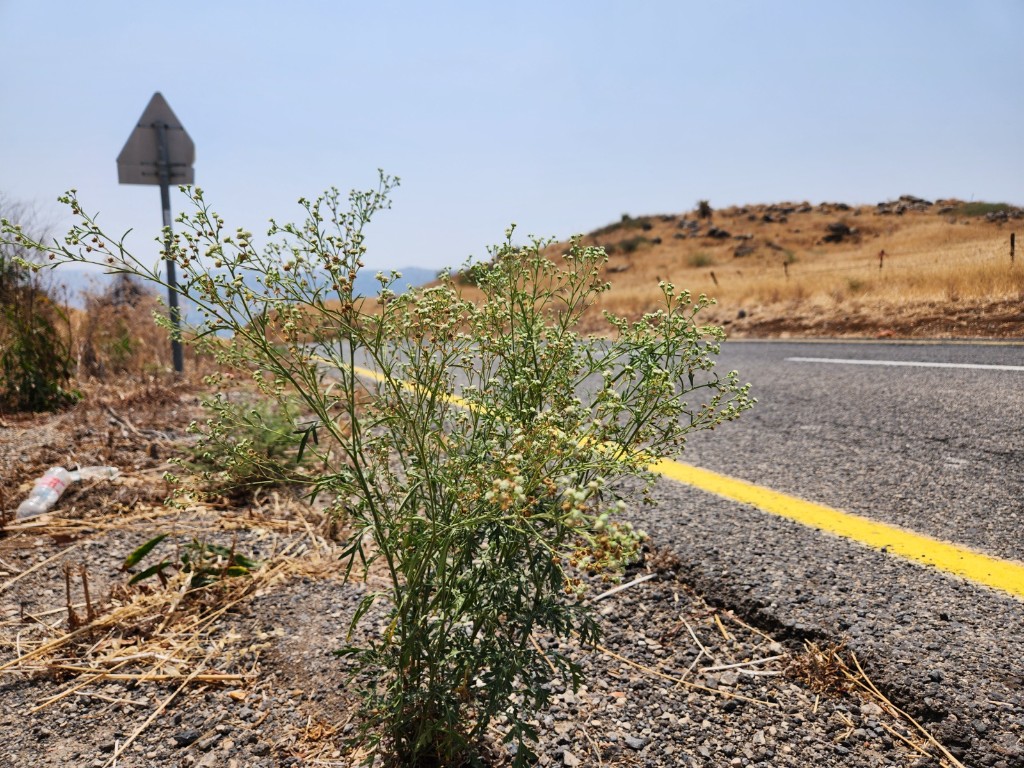
Invasive species are among the most significant threats to global agriculture and natural ecosystems, with enormous economic and ecological costs. This workshop addresses that challenge by convening pioneers in invasive species research, data science, and agricultural technology for intensive collaboration over two days.
Sessions will explore cutting-edge methodologies, identify research gaps, and develop actionable frameworks for invasive weed management, including predictive capabilities, policy integration, and scalable approaches to detection, monitoring, and management.
Who should attend
- Agricultural researchers in weed science and crop protection
- Data scientists and AI specialists interested in agricultural applications
- Policy makers in agricultural and environmental regulation
- Extension professionals connecting research to practice
- Graduate students and postdocs in relevant fields
Participation
The workshop is invite-only with 20 places. We expect interest to exceed available places; the organising committee will review expressions of interest and confirm attendance accordingly.
Participation fee: accepted participants pay US$200.
Use the contact form to submit a concise expression of interest, including your affiliation, relevant expertise, and whether you aim to attend, present, or contribute to working sessions.
Unless otherwise communicated by the committee, participants arrange their own travel and accommodation.
Programme and speakers: plenary titles, session structure, and the speaker line-up will be published here as they are confirmed; we expect to finalise speaker contributions in the coming weeks.
Expected outcomes
Peer-reviewed outputs, sustained international collaboration, knowledge transfer to extension networks.
Organising committee
Dr. Mohsen B. Mesgaran — Department of Plant Sciences, UC Davis (lead organiser); United Nations University Institute for Water, Environment and Health (UNU-INWEH)
Dr. Lior Blank — Department of Plant Pathology and Weed Research, ARO Volcani Institute, Israel
Philipp Robeck — University of Melbourne; United Nations University Institute for Water, Environment and Health (UNU-INWEH)
Dr. Roni Gafni — Northern Agricultural R&D, MIGAL – Galilee Research Institute, Kiryat Shmona, Israel